Loading


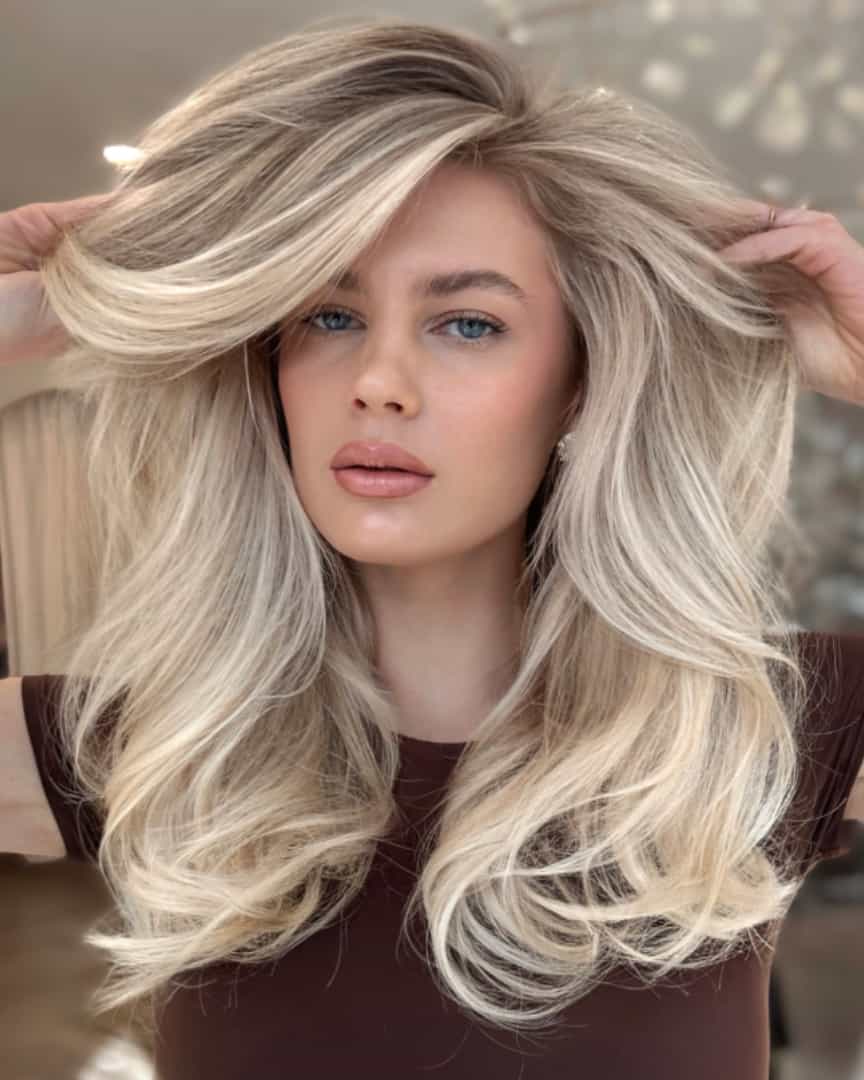
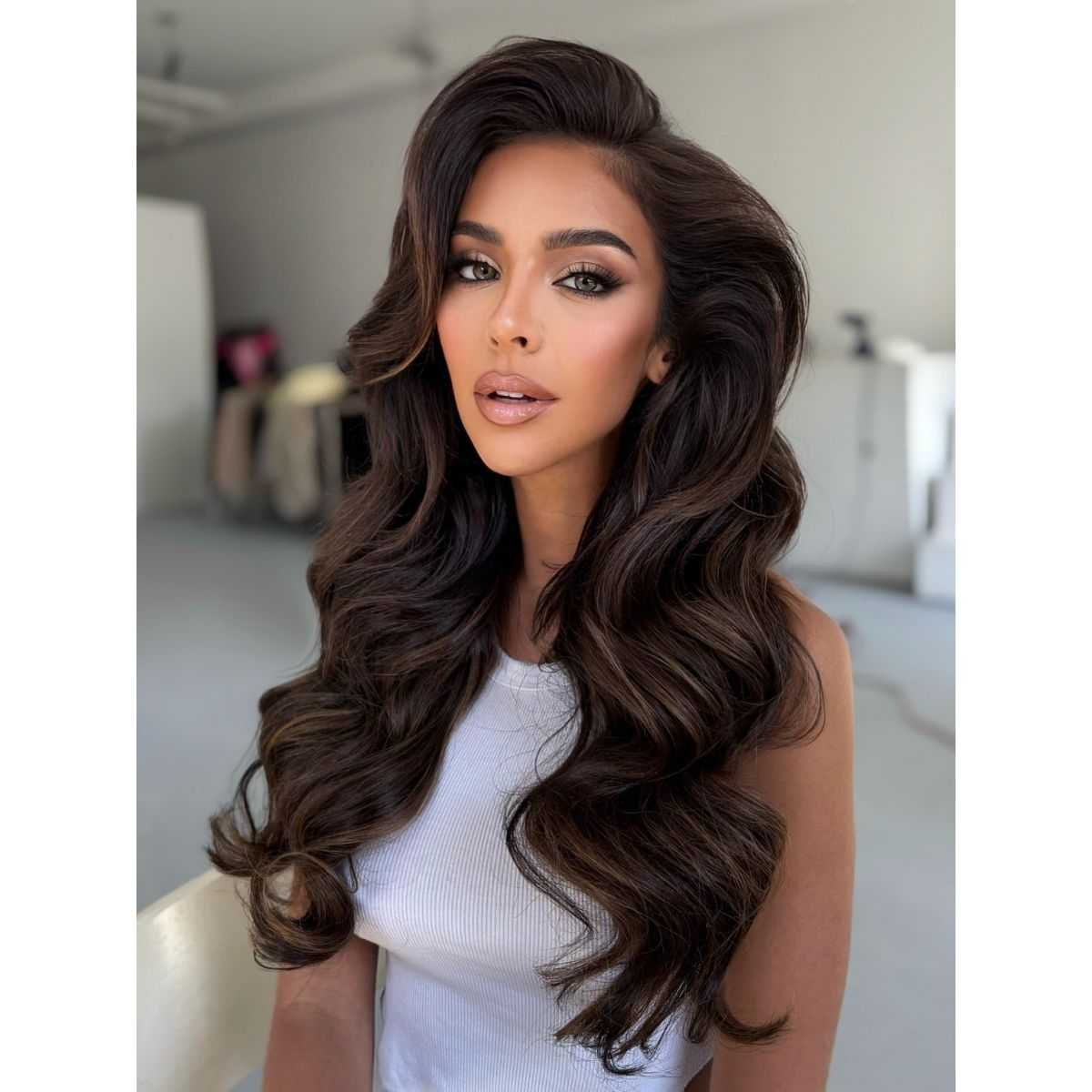
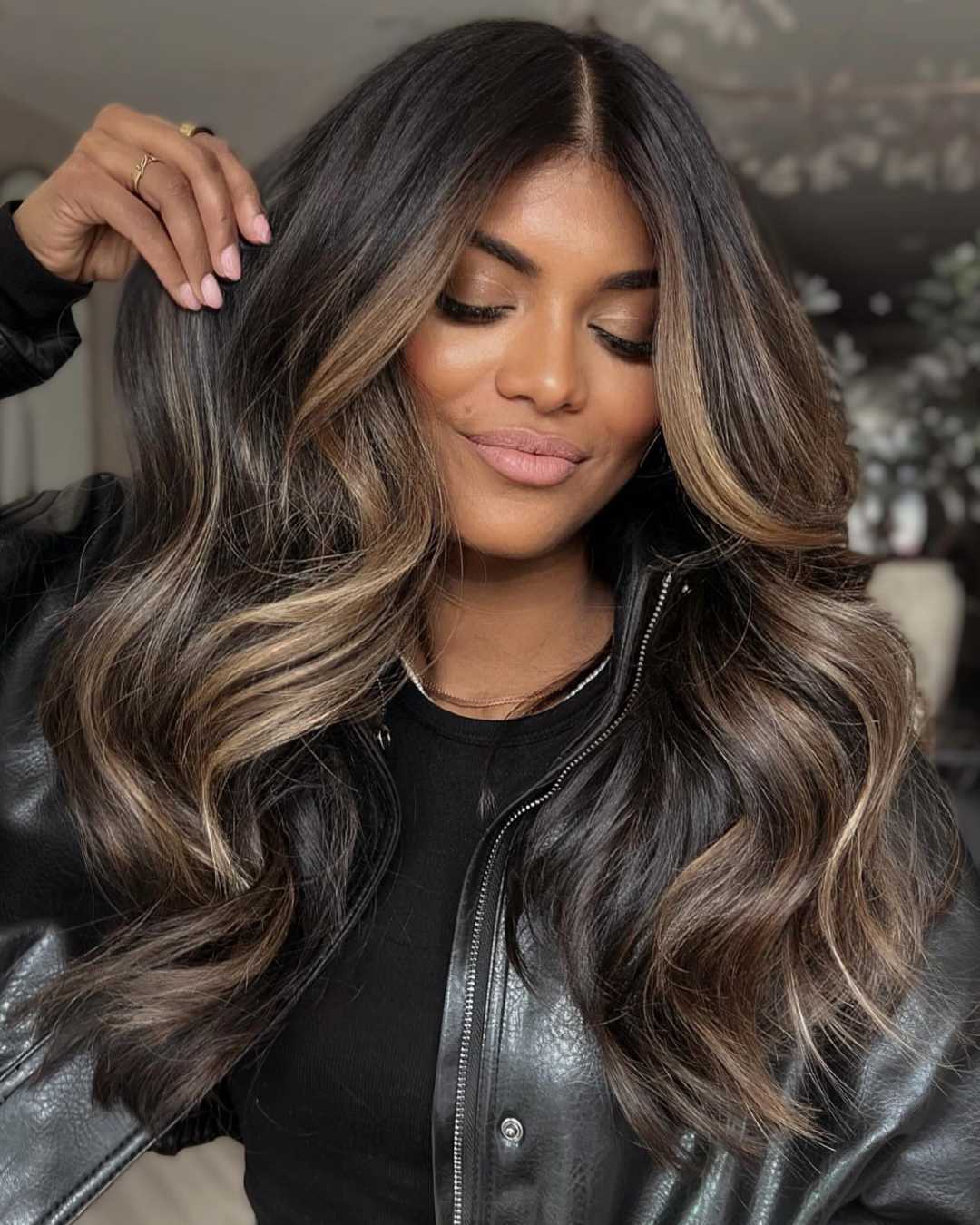 Photo Credit: Instagram via @xo.farhana.balayage
By Rachael Gonzalez·July 28, 2026

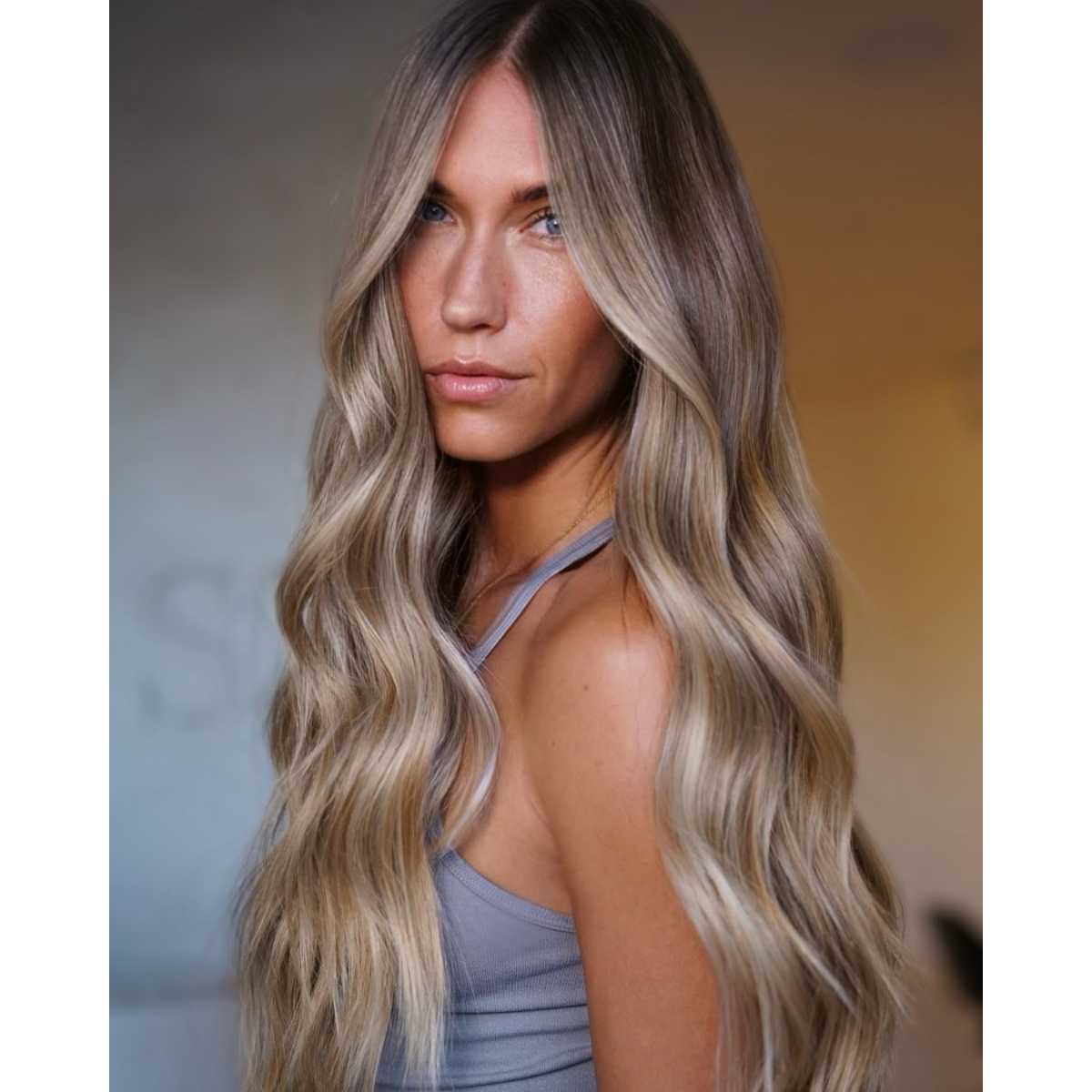
Learn signature highlighting techniques for luxe dimension on brunettes with Carly Zanoni.
@the.blonde.chronicles

Create dimensional brunettes with Daniel Mora's signature foiling technique for the perfect sunkissed look.
@danielmbeauty

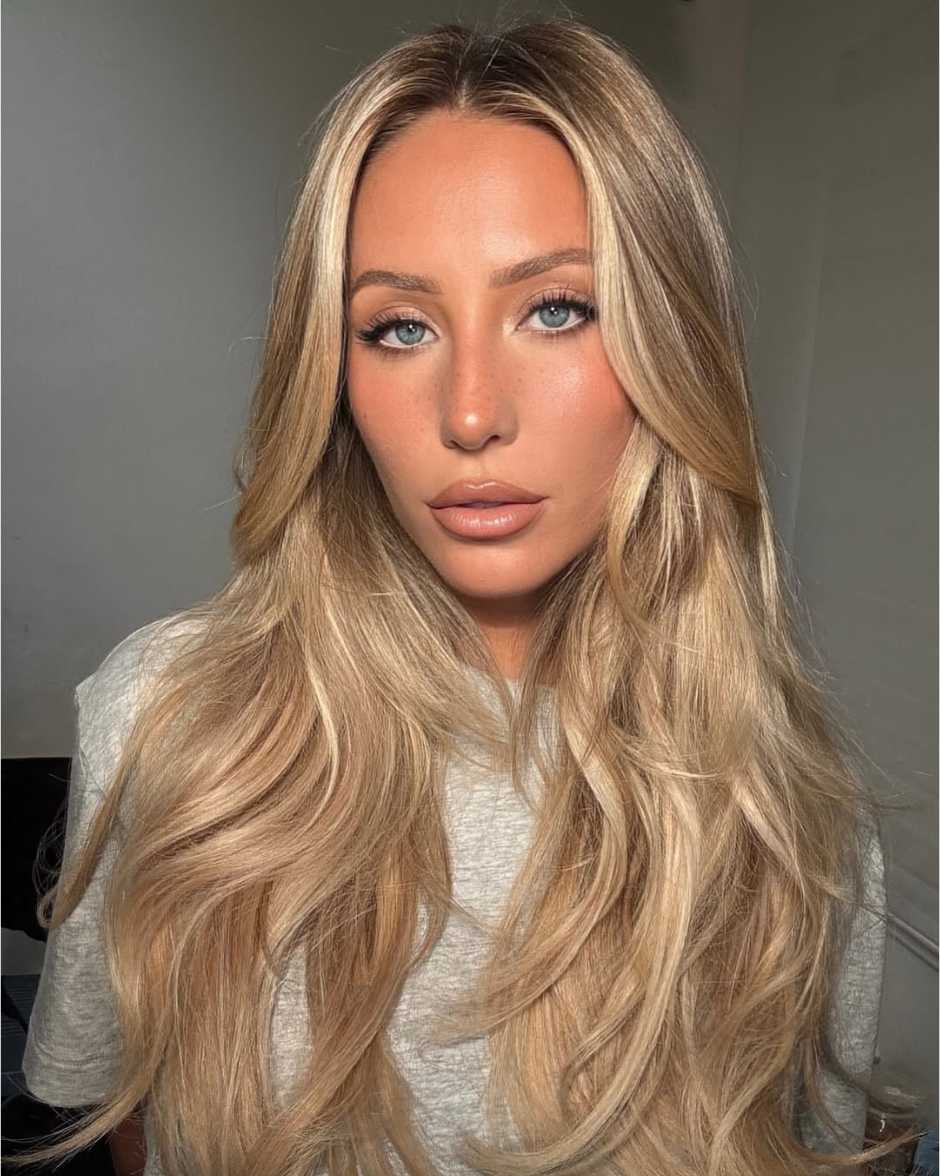
Learn foilayage placement and application tips for high-impact blonding from Caitlin Dugan.
@coloredbycaitlin

Become a brunette specialist with Marina Sellecchia’s expert advice and foiling and formulation secrets.
@colorbymarina

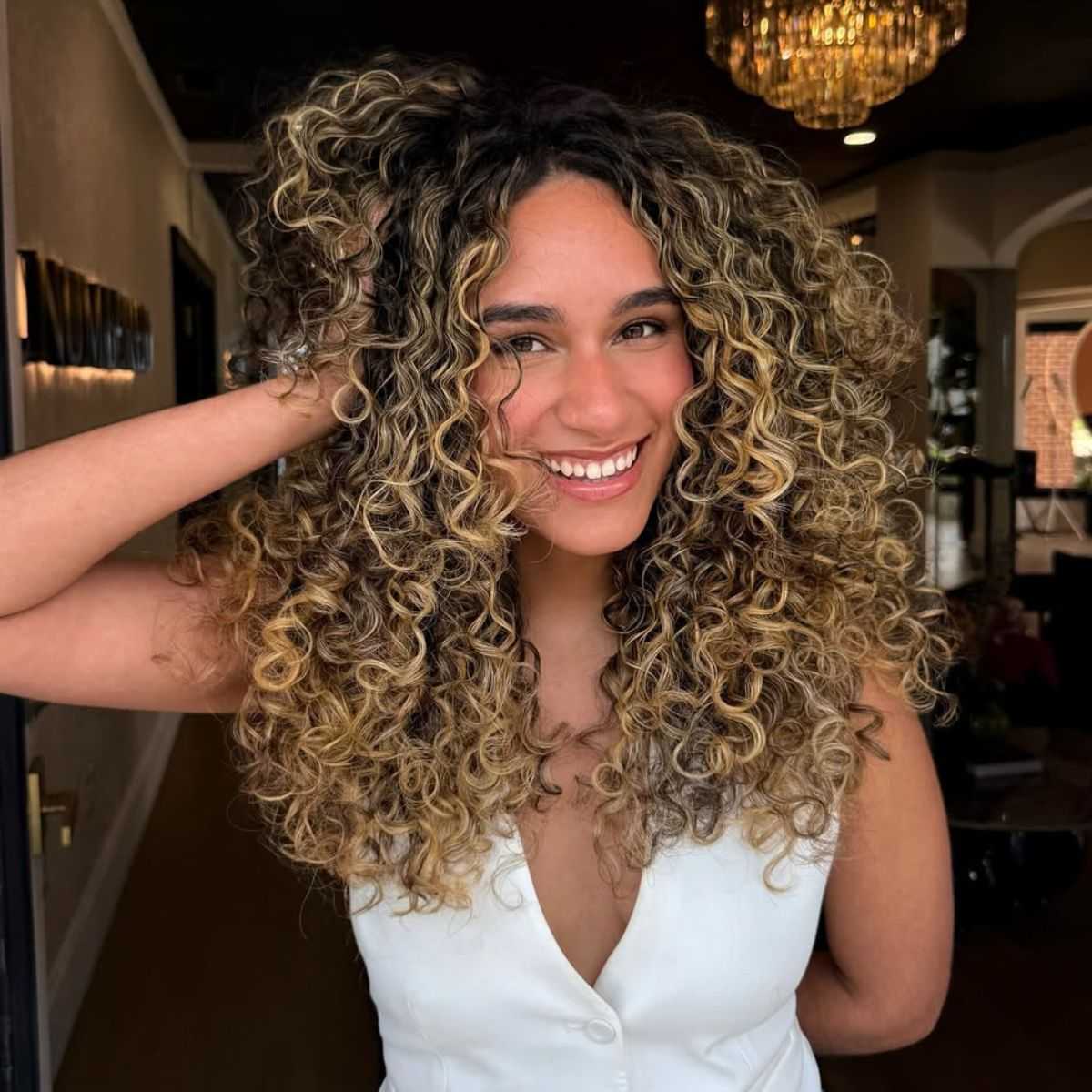
Discover high-impact highlighting techniques for painting rich dimension on textured hair with Kara Williams.
@haircolorkilla

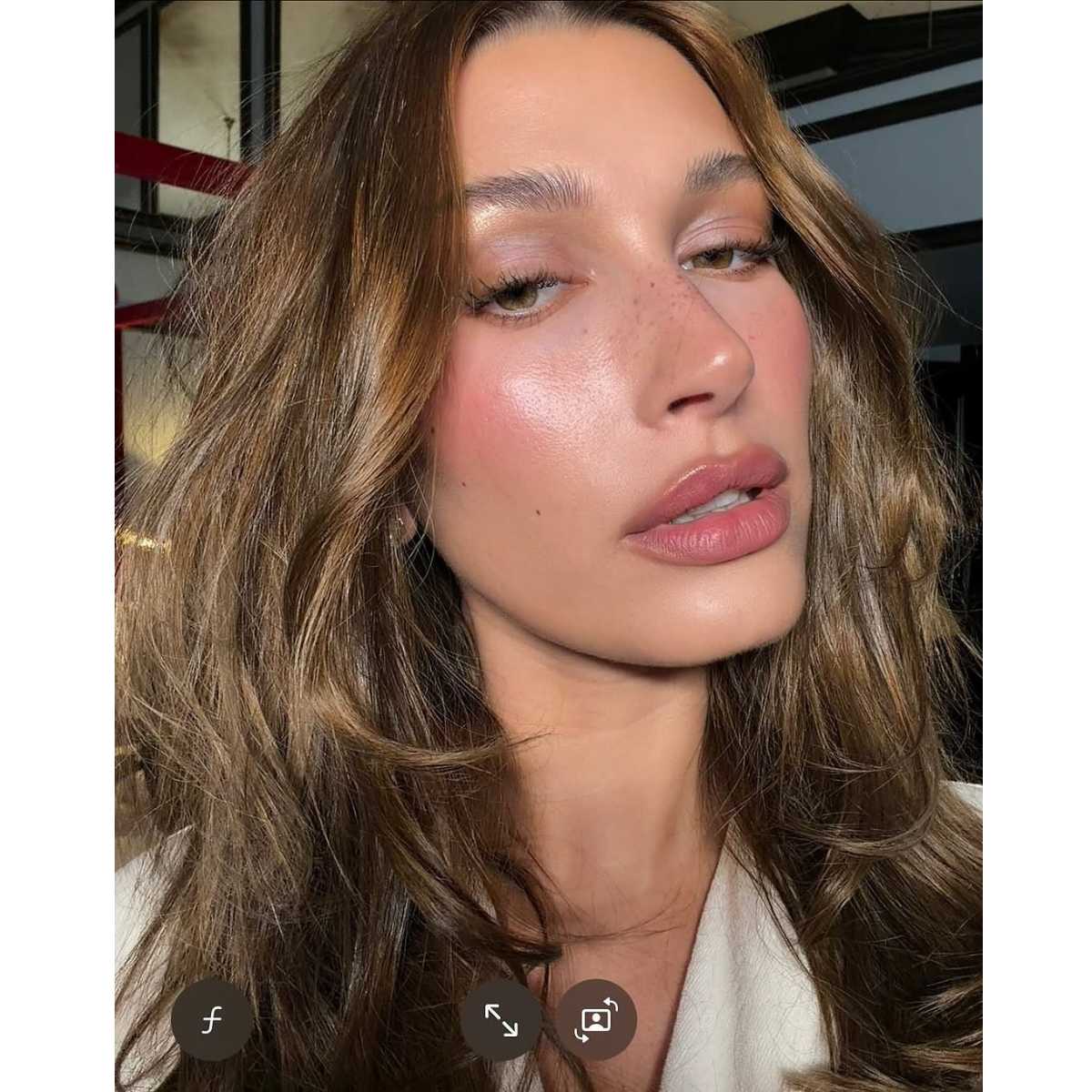
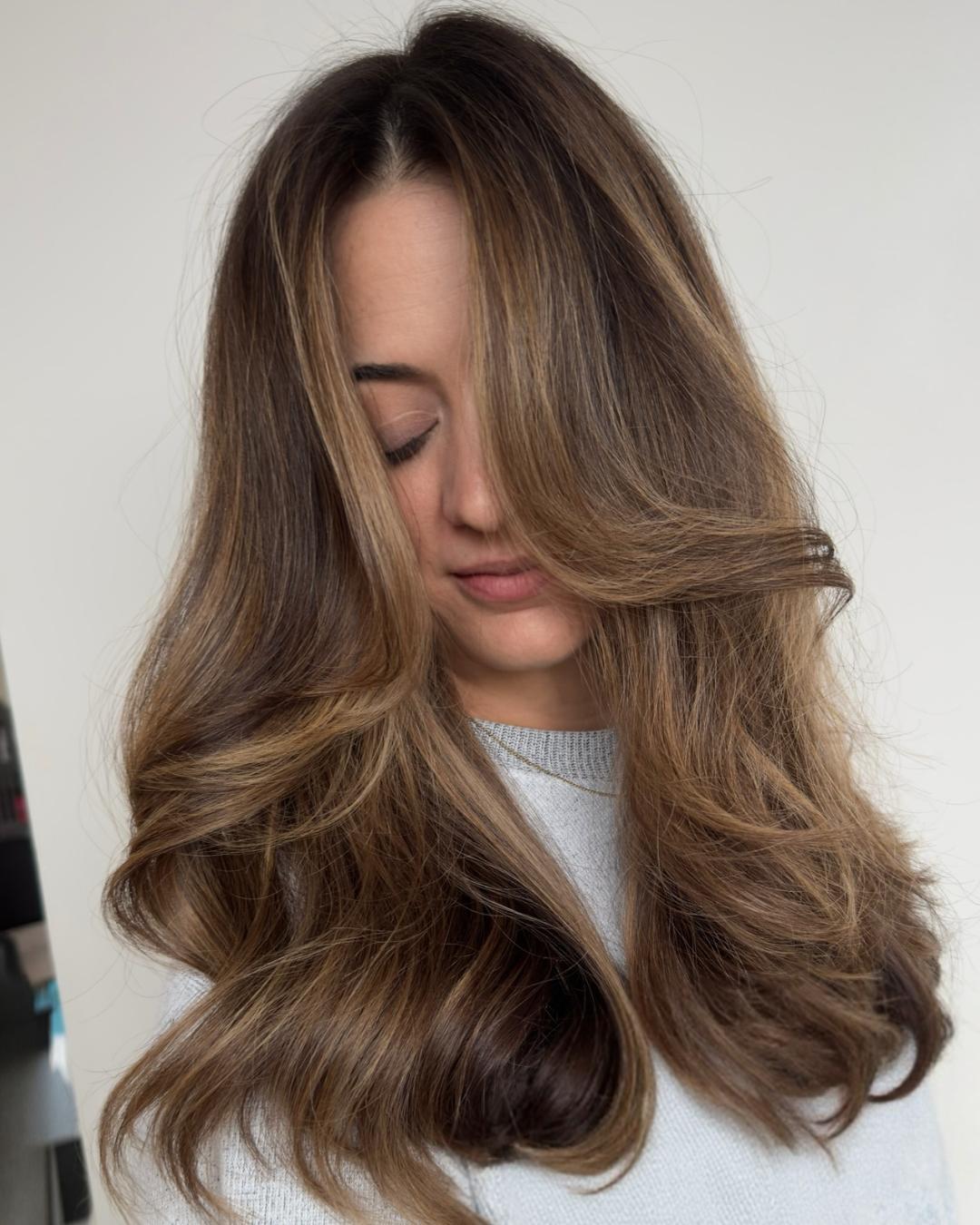
Ease the transition from "Expensive Brunettes" to summer lights with guidance from balayage expert Farhana Premji.
@xo.farhana.balayage

Learn seamless blends, reverse balayage, business tips and effective communication skills from Farhana Premji.
@xo.farhana.balayage

Decode toning techniques with Carlos Rojas and learn the differences between a root smudge, tap and shadow.
@colorbycarlos
Honey brunette has become one of the defining luxury brunette trends, but creating controlled warmth takes more than choosing the right toner. Lift level, foil placement and natural remaining pigment all determine whether the finished color looks rich and reflective or overly warm, flat or over-highlighted.
Below, salon owner, stylist and BTC Team Member Desiree Aslyssa (@desireealyssahair) shares the technical tips she relies on to control warmth, avoid flat or brassy results and create rich, dimensional honey brunettes. Plus, formulas to try on your next client.
Honey brunette is a dimensional brunette that balances warm reflects, preserved depth and strategic brightness. Every element works together to create richness, shine and movement throughout the hair.
Honey brunette is defined by:
Many of Desiree's honey brunette clients begin with a natural Level 1 or 2. She typically lifts to a Level 6 or 7 before refining the color with Redken Shades ALK, preserving enough underlying warmth to support the finished result.
“Sometimes our mind can assume super dark equals lift as much as possible, but in reality you still want to see warmth in the hair once the foils are lifted,” she says. “The post-lift warmth is the secret. It’s a great foundation for controlled warmth.”
But what if the hair doesn't lift as expected?
Desiree adjusts the end goal: “I usually let my client know our new options instead of trying to make our current lift fit our previous expectations. It’s all about pivoting, and I’m not scared to do that for an overall better result.”
“There really isn’t one undertone that’s always good or always bad. It all comes down to understanding the natural remaining pigment and using it as the foundation for the color you’re trying to achieve.”
Desiree's guide to controlled warmth:
“Gold is my best friend, so whether that gold is already in the hair or needs to be put in, it’s usually included somewhere for these types of tones,” she explains.
If the finished color feels off, here's what Desiree checks first:
When the underlying warmth is working in your favor, the formula can enhance it instead of fighting it. For this lived-in honey brunette, Redken Pro Ambassador and #ONESHOT winner Farhana Premji (@xo.farhana.balayage) uses Shades ALK 9GI (Gold Violet Iridescent) through the mids and ends to preserve luminous gold reflects. Click the beaker to reveal the full formula:

Redken Blonde IQ + 30-volume developer (1:2)
Redken Shades ALK 4N + 6N + 10-volume developer
Shades ALK 9GI + 10-volume developer
Don't tone away the warmth you're trying to create. Shop Redken Shades ALK.
A luxury honey brunette isn't built by filling every section with brightness. The placement has to stay visible after the hair is styled, which sometimes means breaking away from traditional highlight patterns.
When customizing honey brunette placement, Desiree recommends:
One of the fastest ways to flatten honey brunette? Over-foiling. “Dimensional looks call for exactly that, dimension, so don’t be afraid of what’s left out of the foils,” she says.
Before adding another foil, ask yourself:
Tap the beaker below to reveal the gloss formula behind this textured honey brunette:
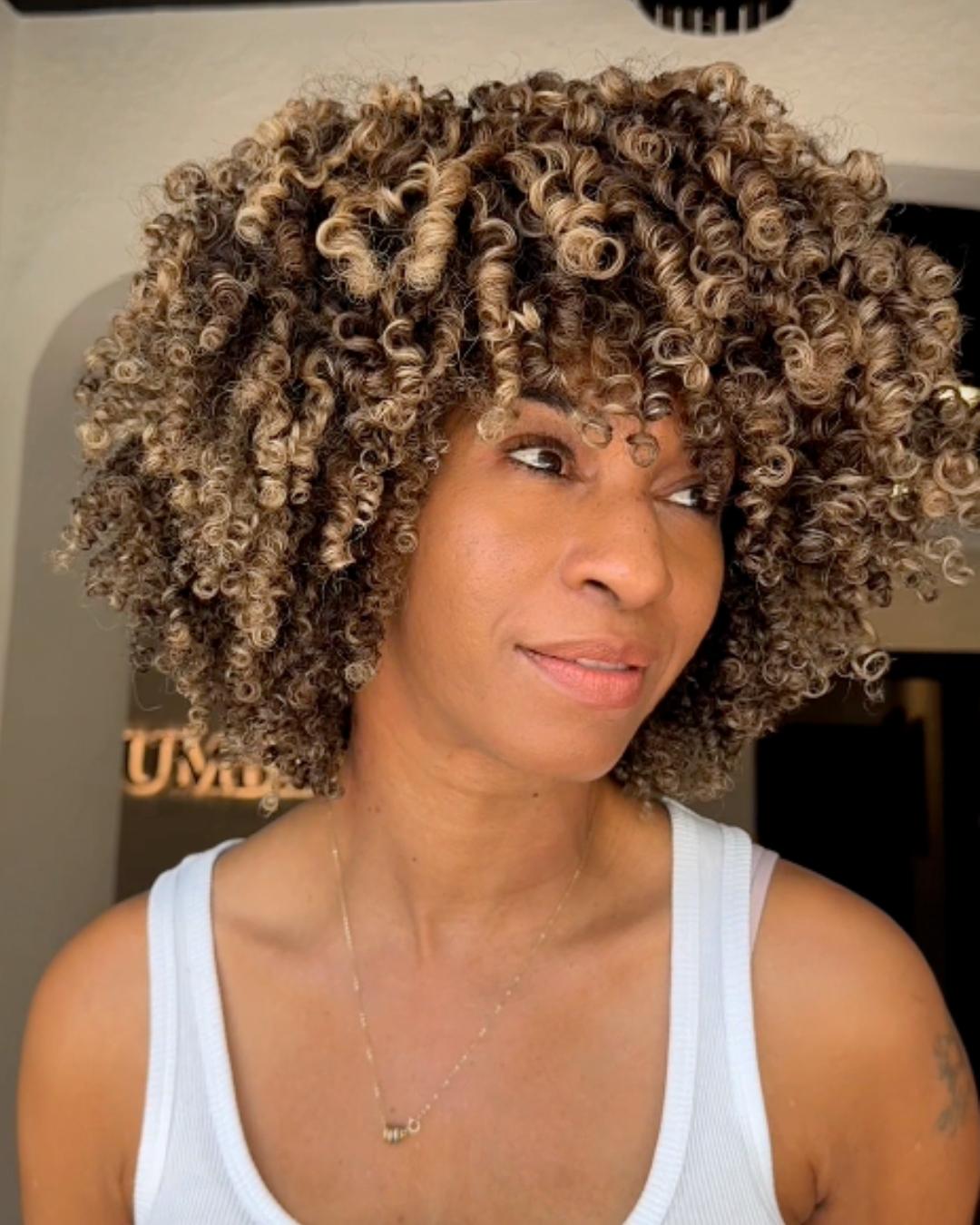
Shades ALK 9GI + Clear + developer
Hair texture and porosity are the first factors Desiree considers when choosing between Shades ALK and Shades EQ. “Especially when it comes to my textured clients with higher porosity, the hair needs to be penetrated for the color to stick and prevent the color just washing out in a couple shampoos.”
For Desiree, the decision is straightforward: She typically reaches for Shades ALK on coarser, textured or higher-porosity hair, while Shades EQ is her choice for lower-porosity or very blonde hair.
She also considers how the color will perform between appointments. “I definitely feel like the alkaline gloss sticks better in the hair than an acidic one, so it gives them some time with proper at-home maintenance.”
Lived-in color specialist Lisa Mathews (@hairbylisamathews) often combines both, using Shades ALK at the base with Shades EQ through the mids and ends for shine and a seamless tonal blend. Tap through the images to see the full formula:


This content is sponsored.