Loading


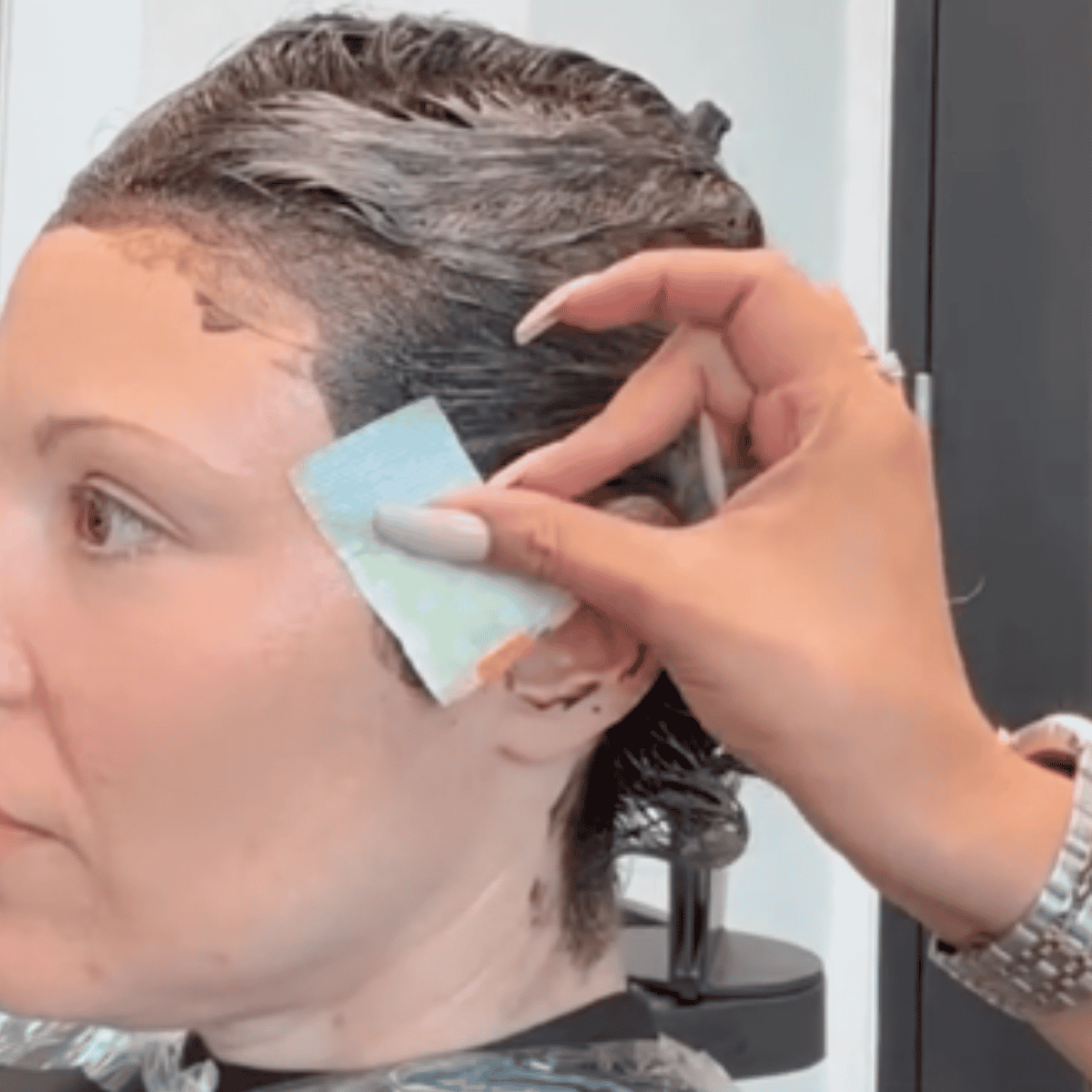
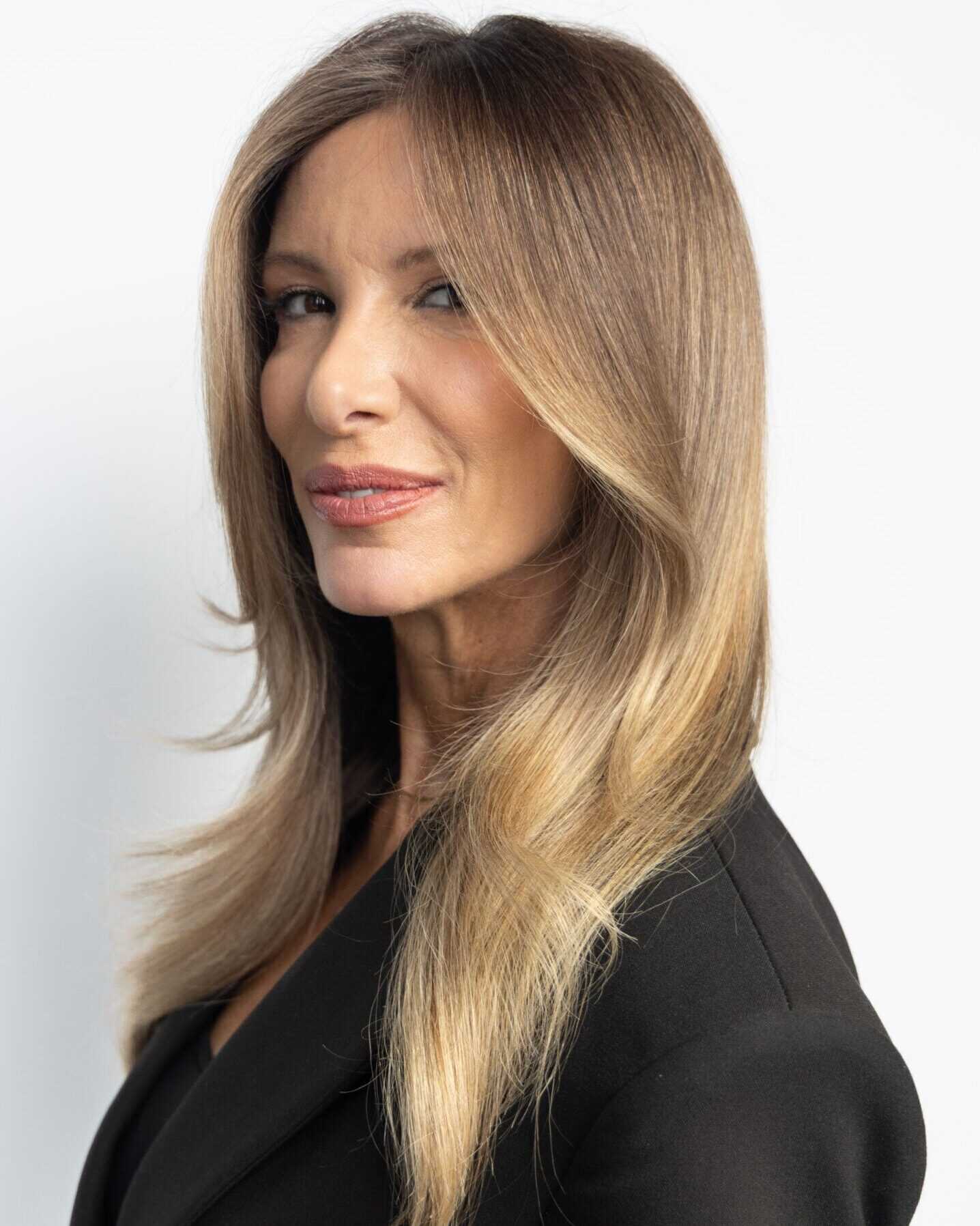
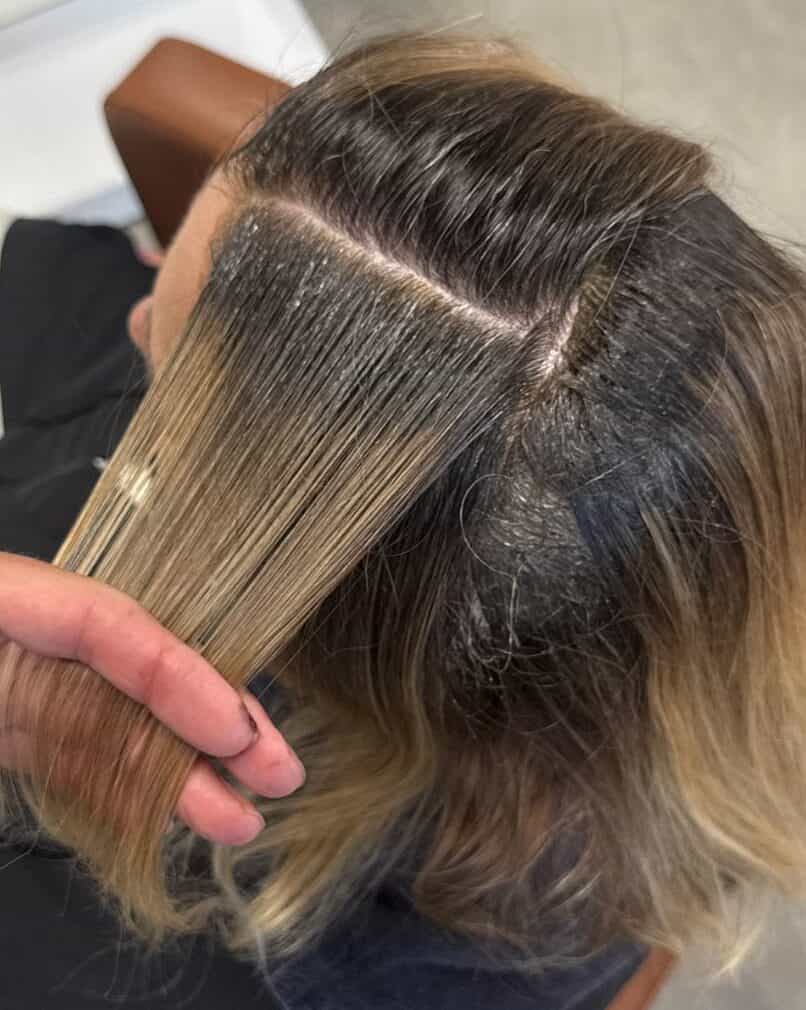 Clean sectioning helps Mickey keep the application precise, ensuring the gray regrowth is fully saturated while the color blends seamlessly into the client’s existing blonde.
Artist—Mickey Colon
By Lauren Freas·July 06, 2026

Learn signature highlighting techniques for luxe dimension on brunettes with Carly Zanoni.
@the.blonde.chronicles

Achieve up to 100% gray coverage and sun-kissed balayage in one service with Chrissy Danielle's timesaving techniques.
@hairbychrissydanielle

#ONESHOT Winner Ashlee Norman reveals timesaving techniques for a modernized, gray coverage service.
@ashleenormanhair

Joico’s Global Brand Ambassador Larisa Love reveals quick tips for base color applications, highlights and gray coverage.
@larisadoll

Master Eric Vaughn’s luxe dimensional color techniques for seamless highs, lows, custom tones, and high-value results.
@realericvaughn
When gray coverage misses the mark, the problem is not always the formula. Often, the issue starts with sectioning
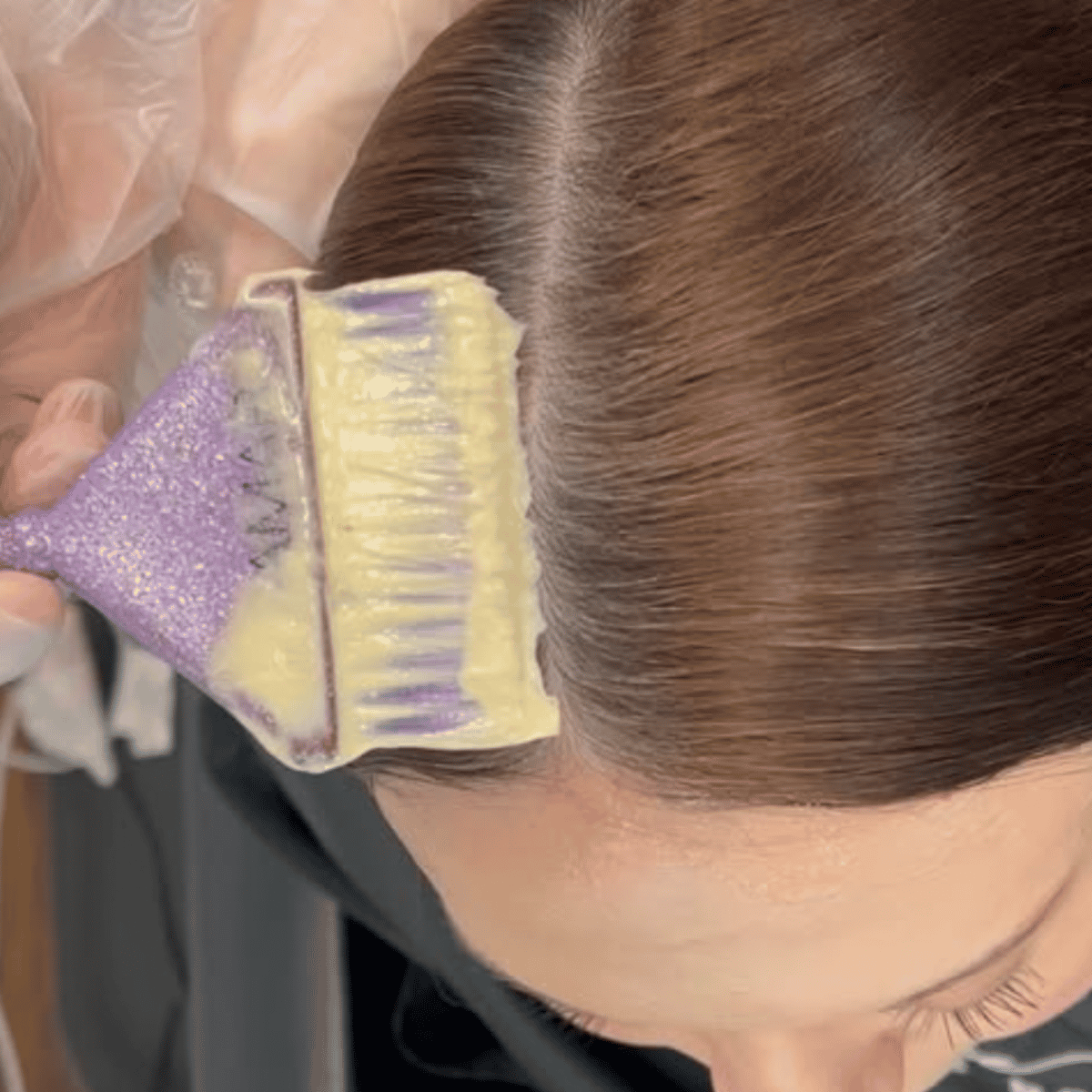
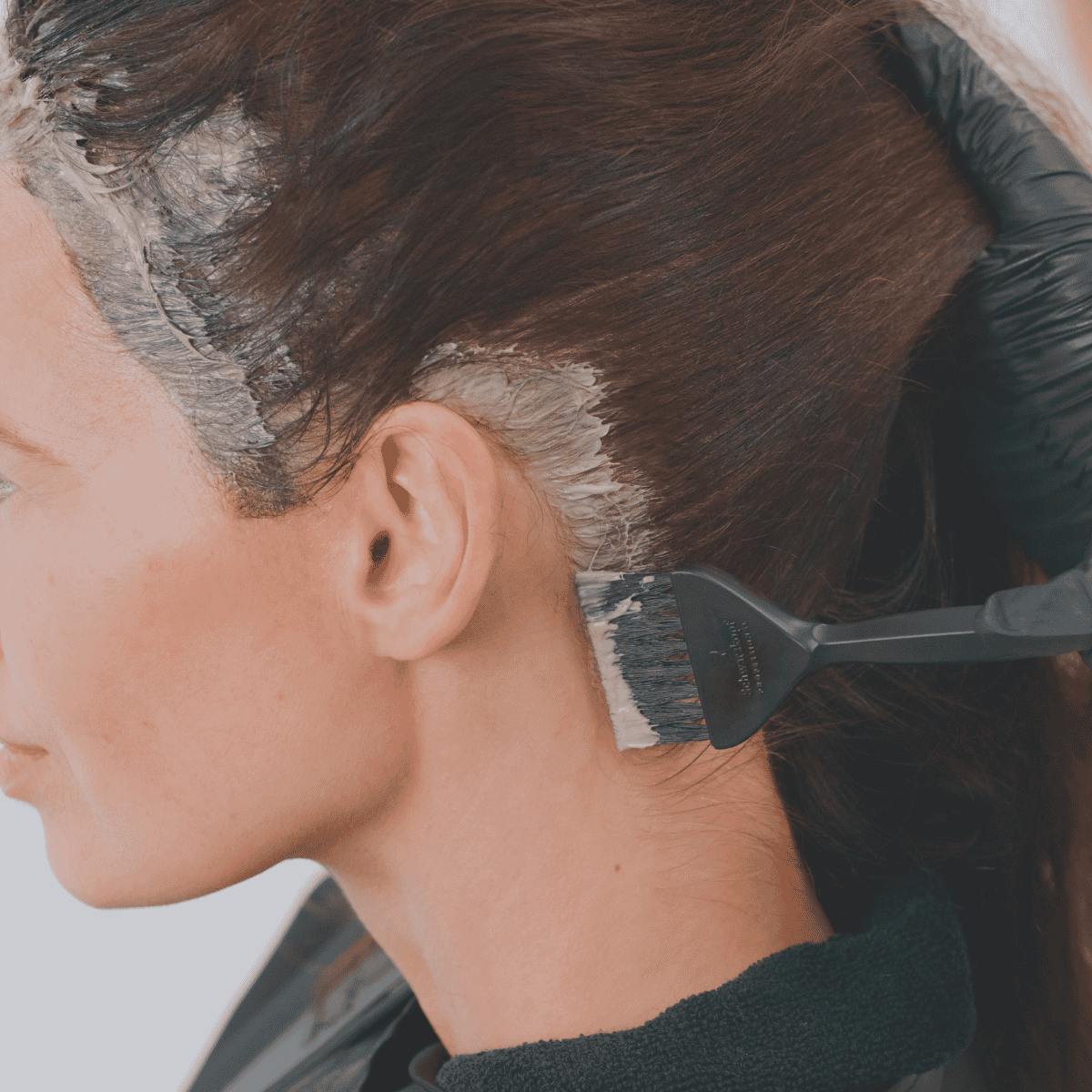
For TRUSS Professional Global Ambassador Mickey Colon (@mickeycolojr), co-owner of The Beauty Society & Co, one of the most important parts of a successful gray coverage service is ensuring every section is fully covered, fully saturated and applied according to the shape of the head.
While demonstrating a 10-minute gray coverage service with the new TRUSS Fast Color, Mickey shared the application techniques he teaches his team to achieve more consistent gray coverage. Find them below!
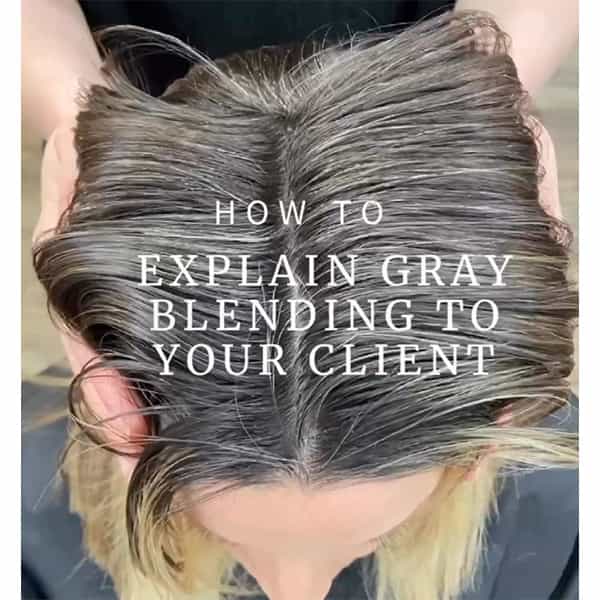
Mickey says one of the most common gray coverage mistakes happens when stylists take straight horizontal sections without considering the shape of the head.
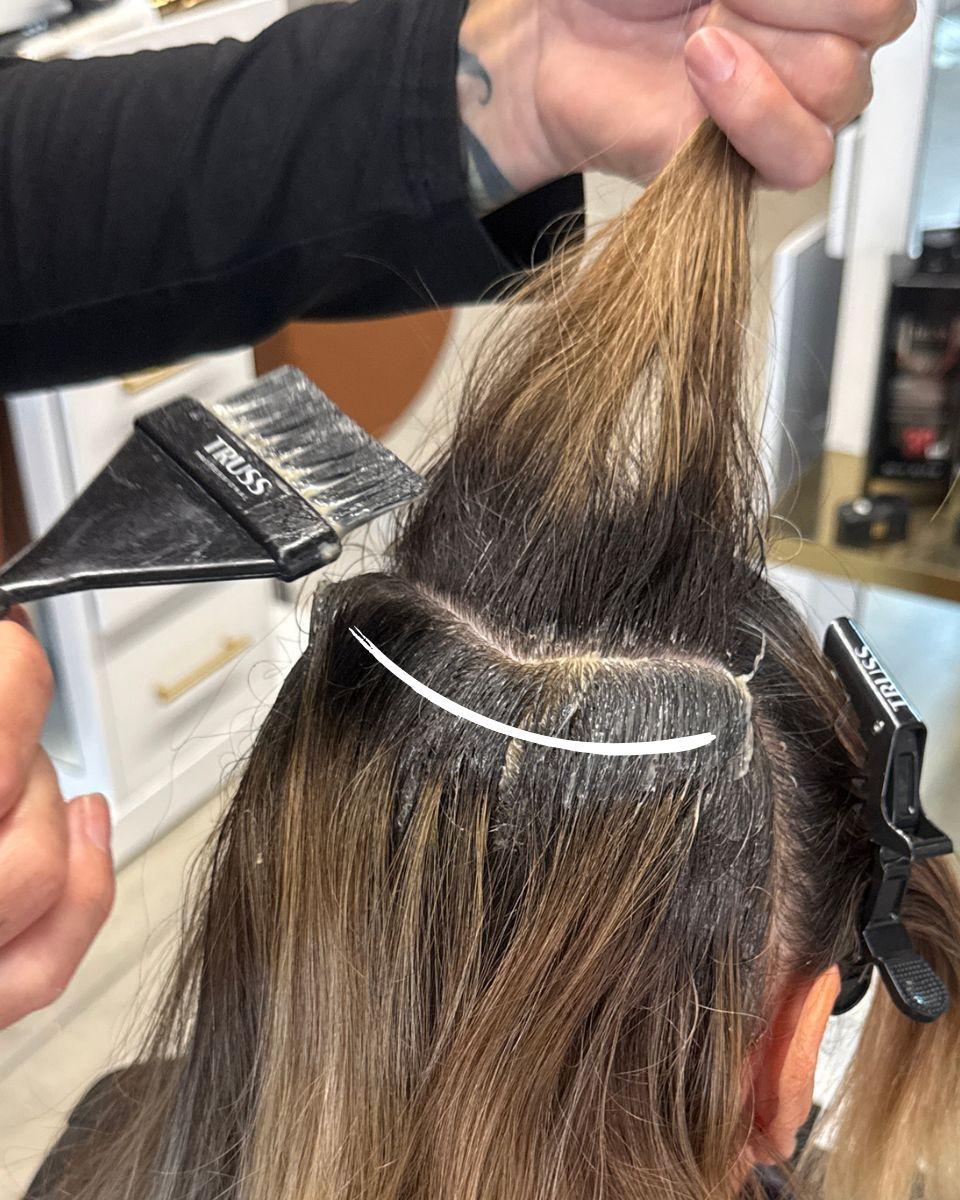
“One thing I like to show my stylists is that the head is round,” Mickey says. “Most people don’t think about that.”
Treating the head like a flat surface can create gaps in the application, especially through the center or curved areas where coverage can be missed.
“What I like to do is follow the round shape of the head,” Mickey says. “That way, when you get that section, you’re getting that section completely all the way around instead of leaving a gap.”
Ready to speed up gray coverage? Learn more about TRUSS FAST Color.
Mickey also adjusts his section size based on the client’s hair density and texture. For the client in this service, he worked with sections around two centimeters, using the width of his comb as a visual guide.
Mickey explains, “I’m trying to follow the same thickness as the comb.” Because the client had lower density, Mickey did not need to take ultra-thin sections. But that rule changes when the client has more hair.
“If you have somebody with higher density, which means a lot more hair, definitely take smaller sections,” Mickey says.
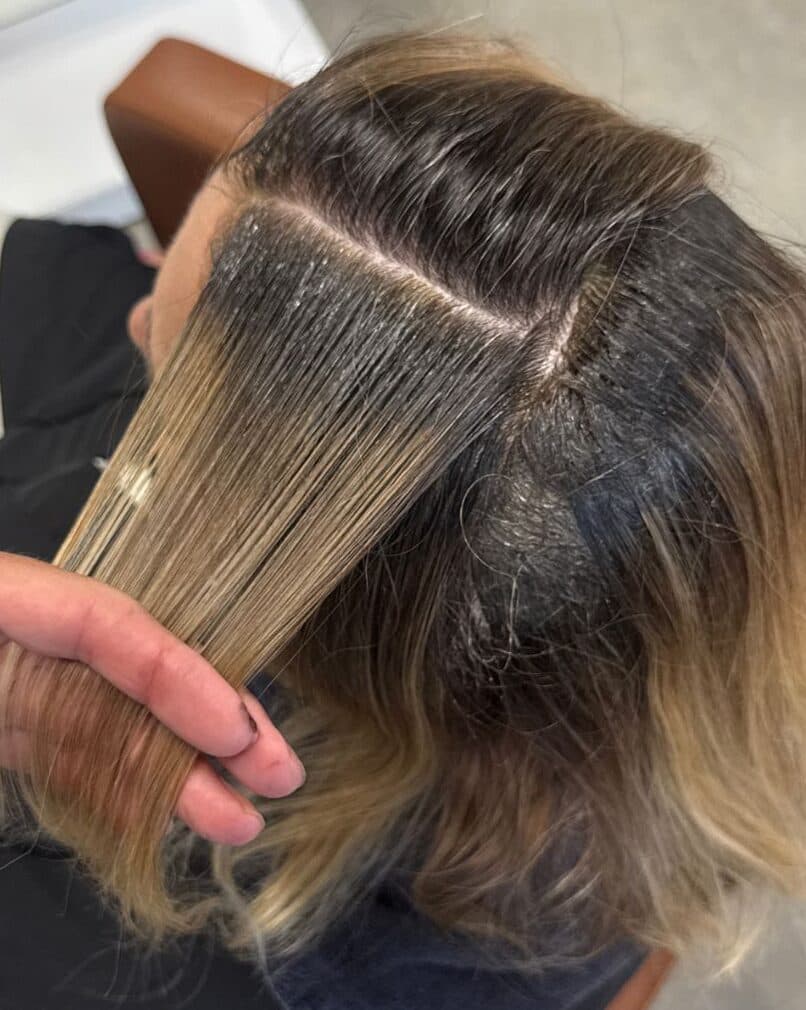
Density is not the only factor. Texture matters too. For coarse hair, Mickey recommends taking even thinner sections to make sure the color fully penetrates and saturates each area.
“If the hair is coarse, you definitely want to take even smaller sections,” Mickey says. “That way you’re really attacking and saturating every single section correctly.”
This is especially important with gray coverage because
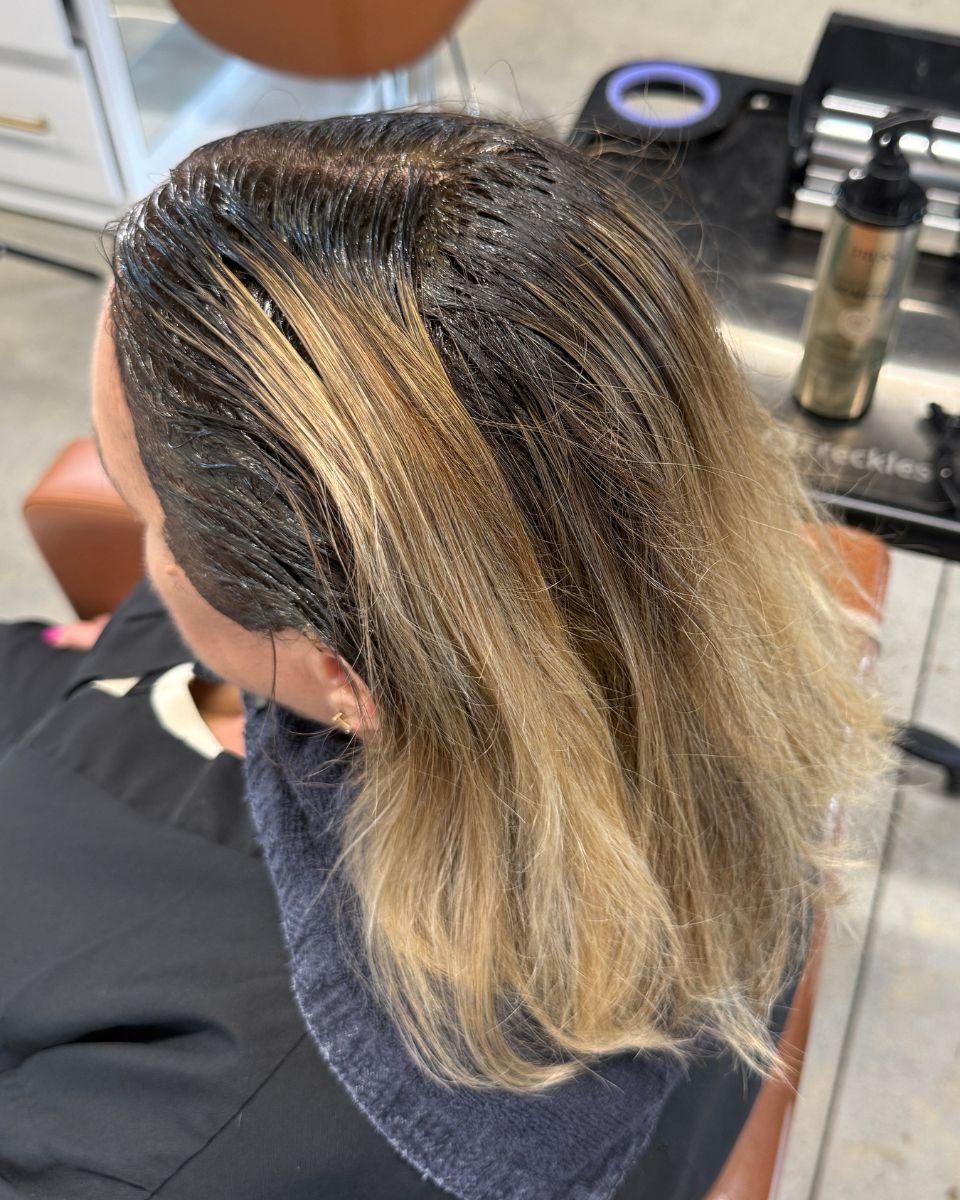
The color can only perform if the application is clean, complete and properly saturated.
That means stylists should still slow down enough to:
Learn more about TRUSS FAST Color and how it supports soft, controlled gray coverage.


 BTC Challenge0 answered