Loading


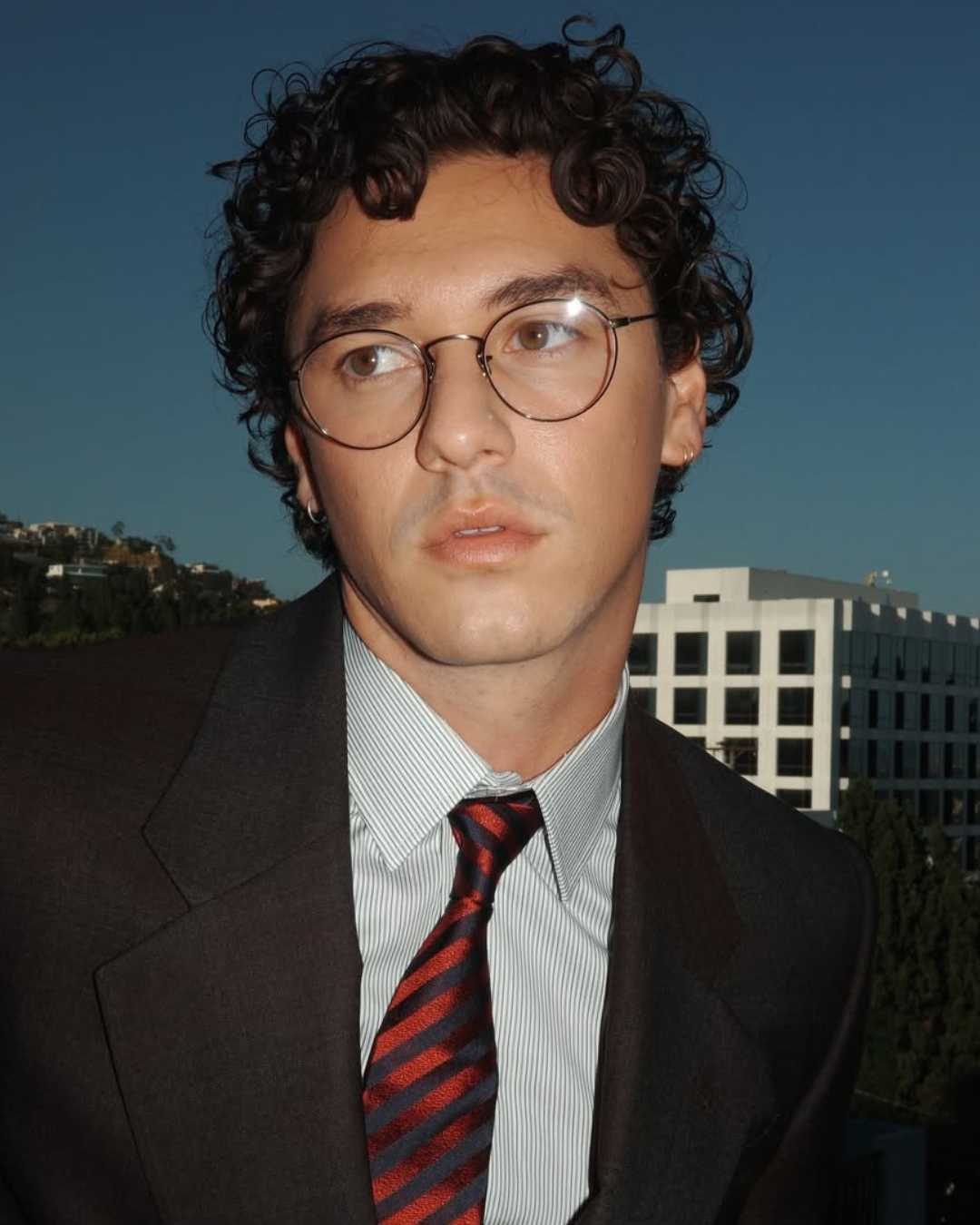
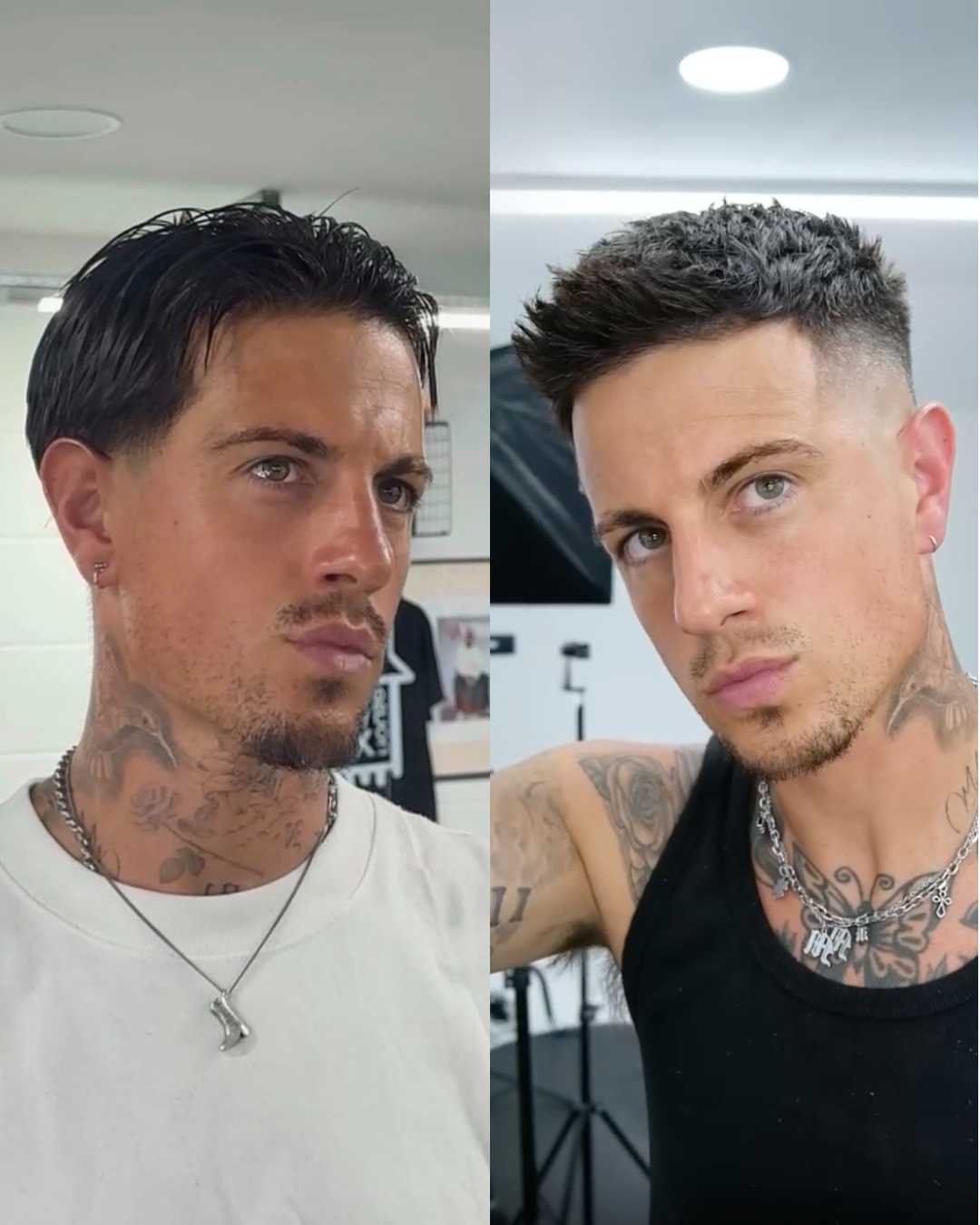 Photo Credit: Instagram via @cal_newsome
Boost clipper confidence in this 90-minute class with fade expert and #ONESHOT Winner Sofie Pok.
@staygold31

The classic outsider cut and a longer style that involves mostly scissor work.
@schorembarbier

Learn the art of men’s cutting and discover Bertus Rietveld’s signature techniques for blending, fading and creating perfect haircuts.
@the_bloody_butcher

Master the art of shaping fine hair for a fuller appearance with men’s grooming expert Matty Conrad.
@mattyconrad

Discover how to use fundamental techniques and classic shapes to approach midlength haircuts with Kevin Luchmun.
@kevinluchmun

Level up your short haircutting expertise with insights from the Victory Barber & Brand™ team—Matty Conrad, Mark Bustos and more.
@mattyconrad, @markbustos +2

A true classic, created with clippers, scissors and blending shears, also features a beard trim.
@schorembarbier

The razor faded pompadour is the ultimate test of the barber's fading and blending skills.
@schorembarbier
Clients often use the terms "taper" and "fade" interchangeably, but they create two very different finished haircuts. The choice isn't just about how short the sides are; it's about controlling weight, shaping the silhouette and deciding how the haircut will grow out. Below, leading barber educators break down the technical differences between tapers and fades, when to choose each and why placement matters just as much as the blend itself.
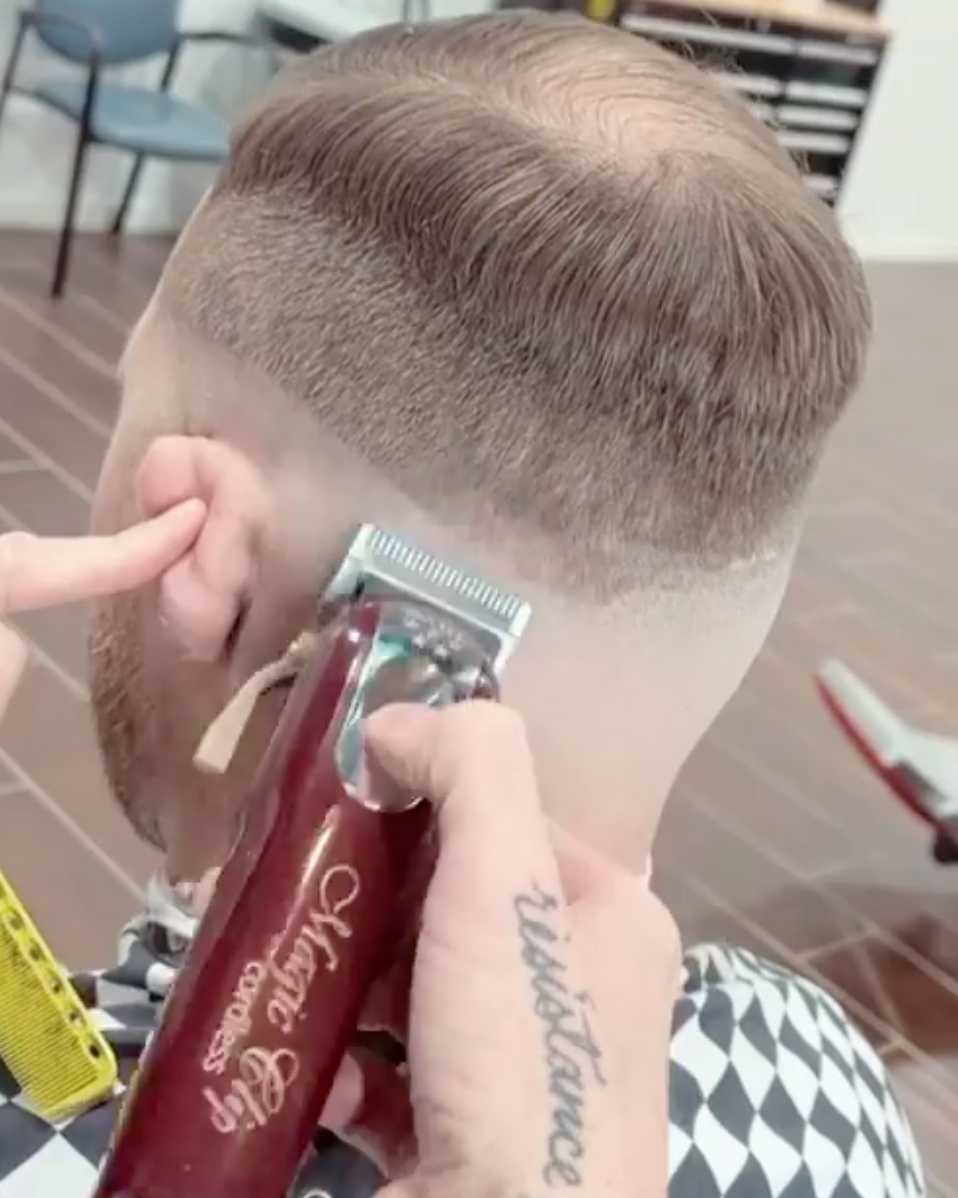
“A taper is going to live in the sideburn and nape area only, whereas a fade connects all the way around the head and over the ear,” explains Wahl® Professional Artist, #ONESHOT winner and expert barber Trevor Moots (@tailorfade).
BaBylissPRO® Educator and barbershop owner Gino Maggio (@ginothebarber813) breaks down how that placement affects the finished result:
Before picking up your clippers, map where the blend should begin, where it should stop and how much weight needs to remain through the sides.
The decision comes down to maintenance, weight distribution and the finished shape. Trevor explains how he decides between the two:
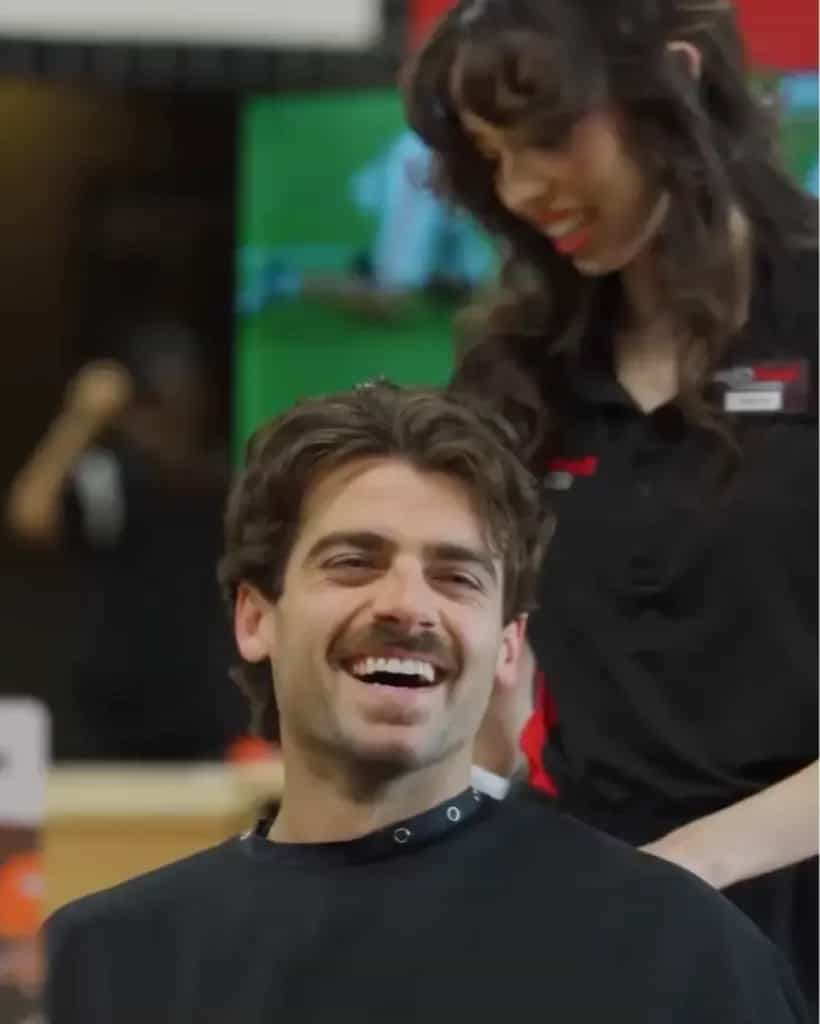
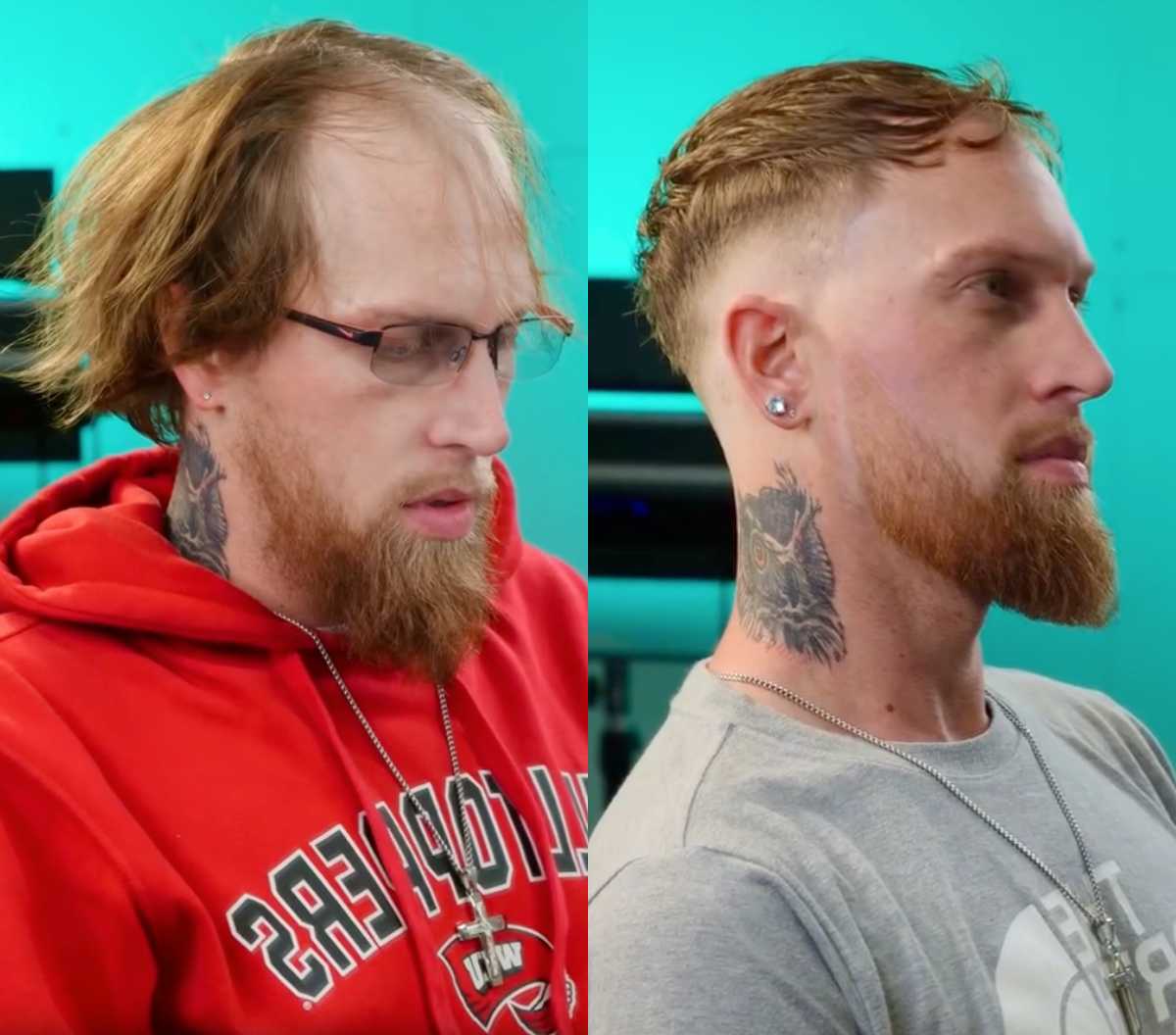
"I recommend a taper for clients who stretch their appointments because it grows out softer," Trevor explains. "When I want to create more contrast and a stronger shape through the parietal ridge, I choose a skin fade."
Before choosing your blend, consider:
Click below to see how Trevor builds a brushback taper designed for softer grow-out using the Wahl® Professional Vapor™ and Senior 2.0 Clippers:
The most common mistakes Trevor sees in fades right now are poor control and improper placement.
Before setting your first guideline, ask yourself:
Press play to see how Gino uses the BaBylissPRO® LO-PROFX Compact Trimmer to establish his first guideline before building the fade:
"A lot of my clients like more hair on the sides but don't want it too long—the old 'short but not too short' type of client," says Gino.
For these clients, a hybrid approach often creates the cleanest result. Rather than committing to a full taper or fade, Gino fades the sides with a #2, styles the top to the client's preference, then finishes with a tighter blend through the sideburns. "Definitely a more modern look," he says.
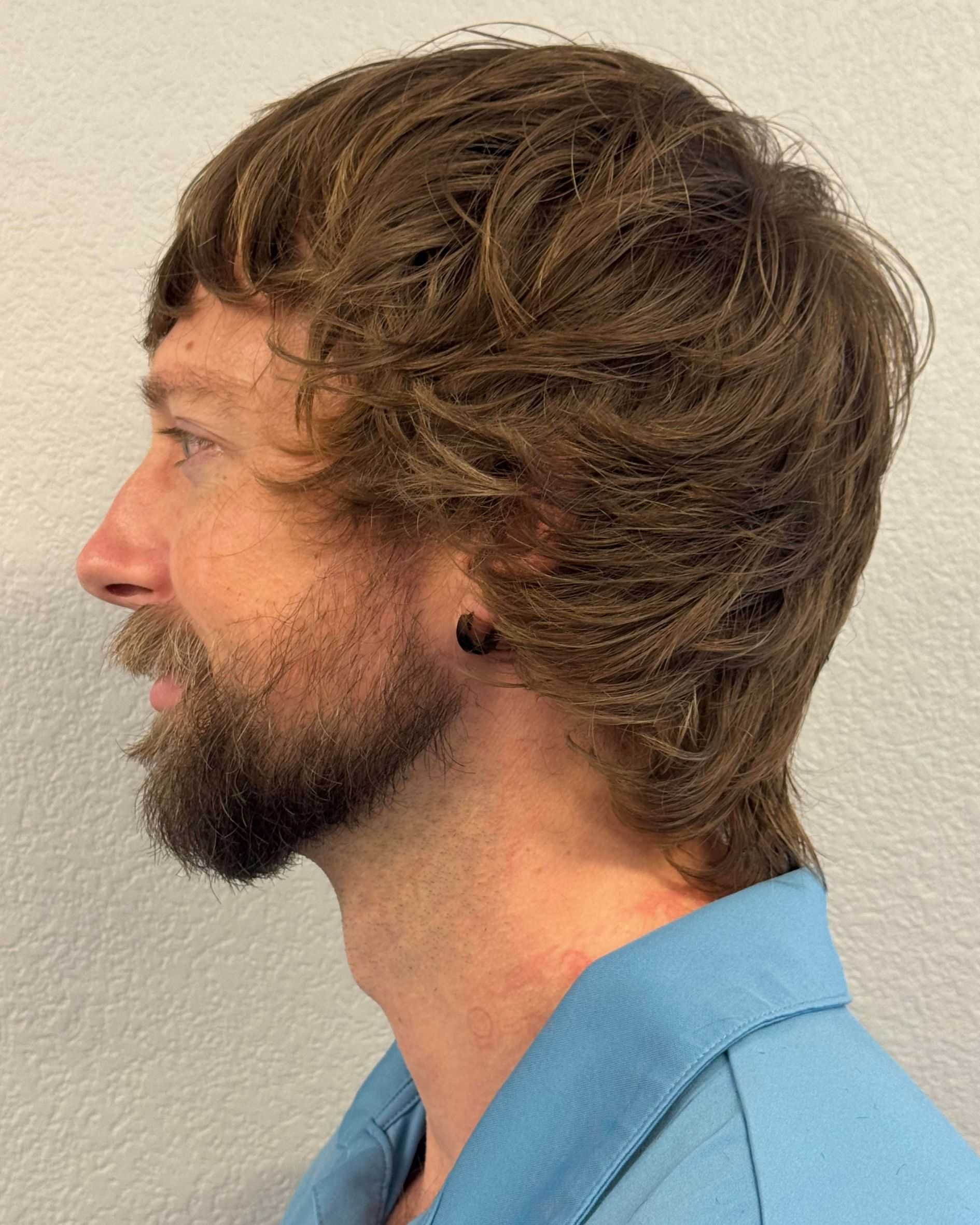
Gino uses this hybrid blending approach on many of his most-requested haircuts, including the modern mullet:
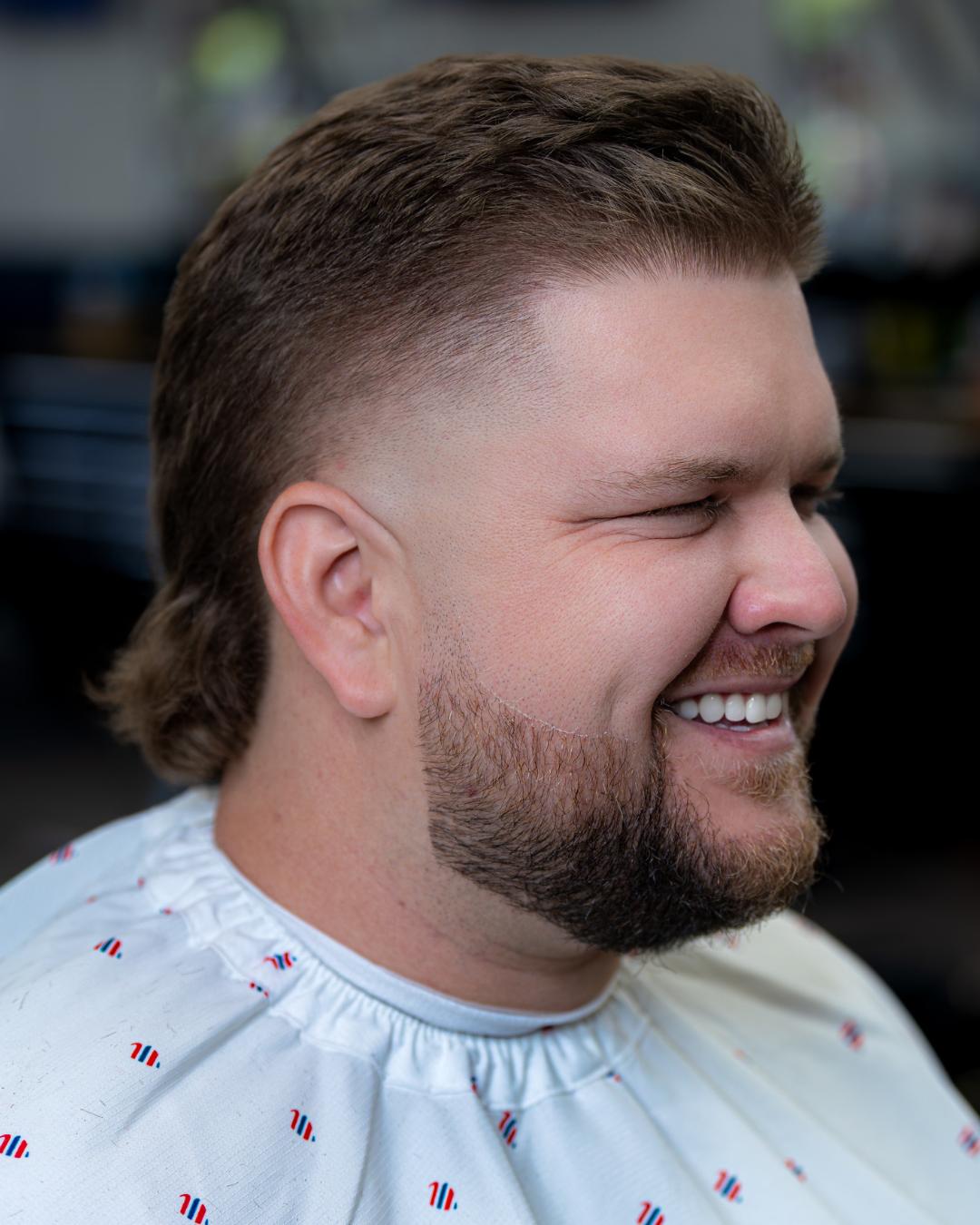
The Modern Mullet is Defining 2026: Here's How To Cut It Right
Choosing between a taper and a fade is only one part of building a strong men's haircut. See how today's most-requested cuts use different shapes, weight distribution and blending techniques.


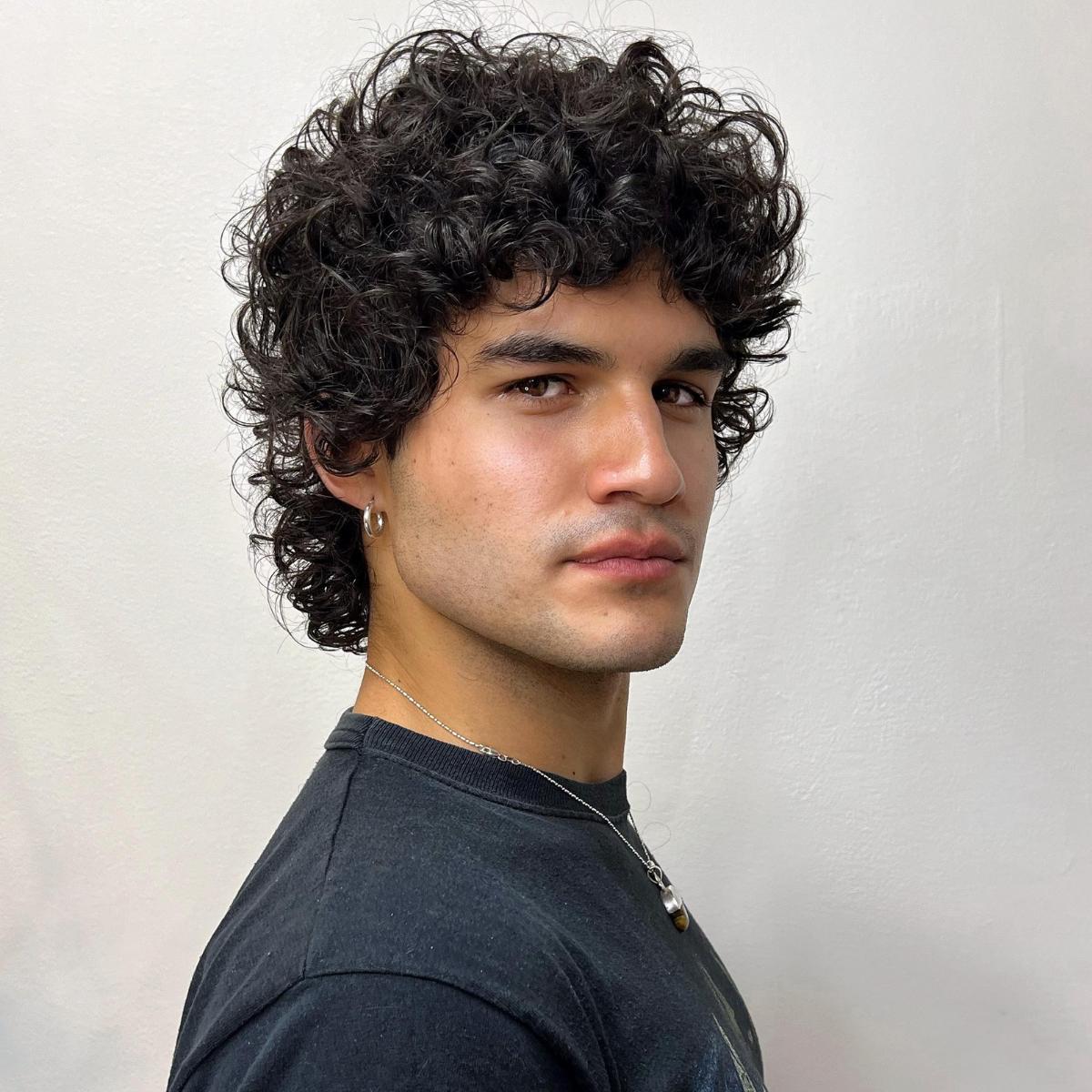


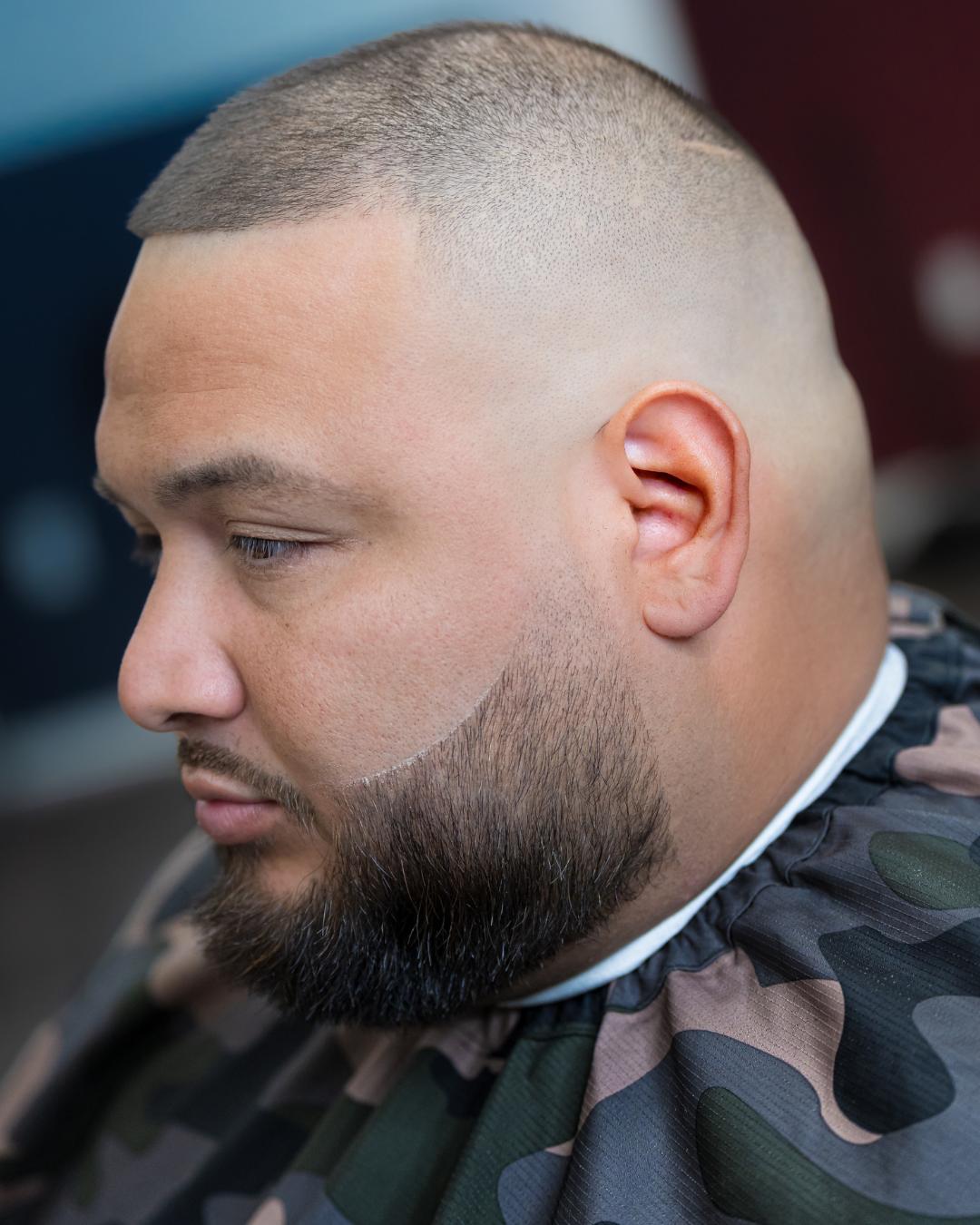
Featured in the guide:
Read next: What Men Are Actually Asking Their Barbers and Hairdressers For in 2026


 BTC Challenge0 answered